Tiger Wood Font Review & Free Download Guide
If you are searching for a distinctive typeface that commands attention without sacrificing readability, the Tiger Wood free download is exactly what your next creative project needs. This cool, original, and easy-to-read display font has quickly become a favorite among designers looking to add a touch of rugged elegance to their work. Whether you are working on digital designs, crafting physical merchandise, or putting together high-stakes presentations, securing the Tiger Wood font download can elevate your visual hierarchy instantly. In this review, we will explore why this specific Display category font stands out in a crowded market and how you can utilize it effectively.
Introduction — What is Tiger Wood?
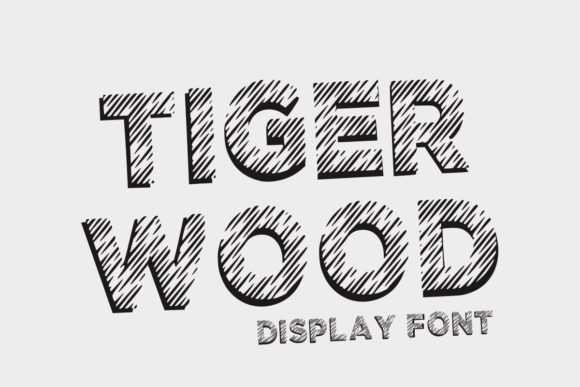
Tiger Wood is not just another generic sans-serif; it is a carefully crafted display typeface designed to make a statement. The font features a unique character set that balances modern geometric shapes with subtle organic curves, giving it a personality that feels both professional and approachable. When you look for a free Display font for Fonts libraries, you often find options that lack depth, but Tiger Wood brings a distinct flavor to the table. It is particularly well-suited for projects where the typography itself is the main visual element. From greeting cards to bold website headers, the versatility of this font makes it a valuable asset in any designer’s toolkit. By choosing to download Tiger Wood font free, you are gaining access to a tool that can transform flat text into engaging visual experiences.
Design & Style Analysis
To truly appreciate the value of Tiger Wood, we must break down its visual architecture. The font belongs to the best Display fonts for use case scenarios where legibility meets style. Unlike overly decorative fonts that strain the eye, Tiger Wood maintains a clean structure while offering enough character to remain interesting.
Letterforms and Weight
The letterforms in Tiger Wood are robust and confident. The weight distribution is consistent, providing a solid foundation for headlines. Each character is designed with precision, ensuring that even in large sizes, the font retains its crisp edges. This makes it an excellent choice for professional Fonts font requirements where clarity is paramount. The design avoids unnecessary flourishes, focusing instead on strong, impactful shapes that convey authority and reliability.
Spacing and Readability
One of the standout features of this typeface is its generous spacing. The tracking allows for comfortable reading, even when used in longer body copy contexts, though it shines brightest as a display element. The negative space within letters like 'O' and 'A' is carefully calculated to prevent ink traps or visual clutter. This attention to detail ensures that Tiger Wood remains readable across various mediums, from small mobile screens to large-format print posters.
Best Uses for Tiger Wood
Understanding where to apply Tiger Wood is key to maximizing its potential. This font is incredibly versatile, making it suitable for a wide array of applications. Here are some of the most effective ways to utilize this premium Display font.
Tiger Wood for logo design
Logos require typefaces that are memorable and scalable. Tiger Wood for logo design offers a unique identity that helps brands stand out. Its distinctive letterforms can be customized or combined with icons to create a cohesive brand mark. The font’s strength lies in its ability to convey trust and stability, which are essential qualities for any business logo.
Tiger Wood for branding
Consistency is crucial in branding, and Tiger Wood for branding provides a strong typographic voice. Whether you are designing a full brand guideline or just a simple business card, this font adds a layer of sophistication. It works well in monochromatic schemes, allowing the shape of the letters to carry the visual weight. This makes it an ideal choice for modern, minimalist brand identities.
Tiger Wood for wedding invitations/cards/typography
While often associated with rugged themes, Tiger Wood for wedding invitations/cards/typography can also bring a contemporary edge to formal events. The font’s clean lines pair beautifully with elegant scripts or delicate floral elements. It offers a fresh alternative to traditional serif fonts, appealing to couples who want a modern yet timeless look for their special day.
Tiger Wood for posters/social media/packaging
In the fast-paced world of social media, grabbing attention is everything. Tiger Wood for posters/social media/packaging delivers high impact. Its bold presence ensures that your message is seen and remembered. On packaging, it adds a premium feel to products, suggesting quality and care in the design process.
Font Pairing & Combinations
A common question among designers is what fonts pair well with Tiger Wood? Because Tiger Wood has such a strong personality, it pairs best with simpler, cleaner typefaces that do not compete for attention. For Tiger Wood font pairing, consider using a light sans-serif or a classic serif for body text.
- Clean Sans-Serif: A neutral sans-serif like Helvetica Light or Montserrat Regular provides a perfect contrast to the boldness of Tiger Wood. This combination works exceptionally well for best font combinations with Tiger Wood in editorial layouts.
- Elegant Serif: If you are using Tiger Wood for wedding invitations/cards/typography, pairing it with a refined serif like Garamond or Baskerville adds a touch of classic elegance. The contrast between the modern display font and the traditional serif creates a sophisticated hierarchy.
- Handwritten Script: For a more playful approach, a delicate handwritten script can complement the structured nature of Tiger Wood. This is great for creative projects like event flyers or artisanal product labels.
Licensing & Commercial Use
Before incorporating Tiger Wood into your client projects, it is essential to understand the legal implications. Many users ask, is Tiger Wood free for commercial use? The answer depends on the specific license agreement provided by the distributor. Generally, fonts found under a free Display font for Fonts label may allow personal use, but commercial usage often requires a separate purchase.
You must verify the Tiger Wood font license terms carefully. If you plan to use the font in logos, merchandise for sale, or paid advertisements, you likely need a commercial use license. Purchasing a font bundle or font pack can sometimes offer cost-effective solutions if you need multiple licenses. Always ensure you have the proper Tiger Wood commercial use rights to avoid legal issues. When in doubt, contacting the foundry or checking the official documentation is the safest route to ensure compliance.
How to Download & Use Tiger Wood
Getting started with Tiger Wood is straightforward. You can find the Tiger Wood free download option on several reputable font platforms. Websites like CreativeFabrica, DaFont, and FontSquirrel often host a variety of display fonts. To download Tiger Wood font free, simply navigate to the font’s page, check the licensing details, and click the download button. Once downloaded, unzip the file to access the .ttf or .otf files.
After installation, you can integrate the font into your preferred software. Learning how to use Tiger Wood in Canva/Word/Photoshop is easy. In Photoshop, go to the font dropdown menu and select Tiger Wood. In Word, it will appear in the Home tab’s font list. For Canva users, upload the font file directly to your brand kit or custom uploads section. These platforms make it simple to apply the font to text layers, ensuring your designs look polished and professional.
Designer Notes & Tips
As a final tip, always test your typography in real-world conditions. Tiger Wood vs similar fonts might seem comparable at first glance, but the nuances in spacing and stroke width can significantly affect the overall aesthetic. I recommend printing a sample sheet to check for small-size readability. Also, consider testing the font in black and white to ensure the letterforms hold up without color distraction. By paying attention to these details, you can fully leverage the power of Tiger Wood in your design workflow.